Electric Vehicle Charger Pros in Orange County: Licensed Installers
@trevorwmdv038
October 12, 2026 · 19 min read
Orange County vehicle drivers have embraced EVs in a rush, and the homes here tell a wide variety of electrical stories. One street has a 1950s bungalow with a 100 amp service and a removed garage with a single light and a pull chain. Around the corner, a newer build runs a 200 amp service with solar, a swimming pool pump, and enough clever home equipment to fill a rack. Both households desire the exact same thing, reliable over night charging that does not journey breakers or welcome fire danger. That is where a qualified installer makes their keep.
A licensed electrical expert in Orange County does more than hang a box on a wall. They match the battery charger to the home's capacity, guide through authorizations in your city, guarantee the installation satisfies Post 625 of the National Electrical Code, and collaborate with energies like Southern California Edison or, in the south of the county, San Diego Gas & & Electric. When a task is done thoughtfully and recorded cleanly, the EV charges quick, the lights stay on, and the inspector signs off the first time. When it is hurried, you inherit nuisance journeys, overheated conductors, and a surprise correction notice.
What certified actually implies in the field
Certification is more than a logo design. In practical terms, try to find a licensed electrician Orange County homeowner can validate in the California State License Board database, and for service technicians with training from major EVSE producers. Brands like Tesla, ChargePoint, Wallbox, Enphase, and Emporia use installer programs that need hands-on work, not simply an online quiz. A qualified installer is comfortable programming load sharing, changing amperage, and incorporating with solar or batteries when needed.
On domestic jobs, we often see Level 2 chargers set in between 32 and 48 amps. The 80 percent rule for constant loads drives the breaker size. For example, a 48 amp EVSE needs a 60 amp breaker. That sounds basic up until you consider what else lives in the panel. A standard afternoon in Aliso Viejo or Fullerton may consist of an air conditioning unit pulling 25 to 35 amps, a variety, a clothes dryer, a swimming pool pump, and a wall of recessed lighting. A pro accumulates those needs with a load calculation, not a guess. If the math says the main service will live at the edge, you have options, from panel upgrades to wise load management.
How load calculations assist clever choices
The load calc is the decision-maker. It is the reason one home in Irvine ends up with a hardwired 48 amp unit fed by 6 AWG copper, and a similar home in Costa Mesa gets a 40 amp setting on the same battery charger. The walls and finishes may look alike, however the available capacity varies. A proper property load computation utilizes nameplate ratings and demand elements to approximate the peak need on the service. Homes constructed before the late 1970s frequently have 100 amp service. Numerous 1980s and 1990s homes run 125 or 150 amps. Newer homes trend to 200 amps. Solar does not increase service capacity, it offsets energy gradually. That difference matters.
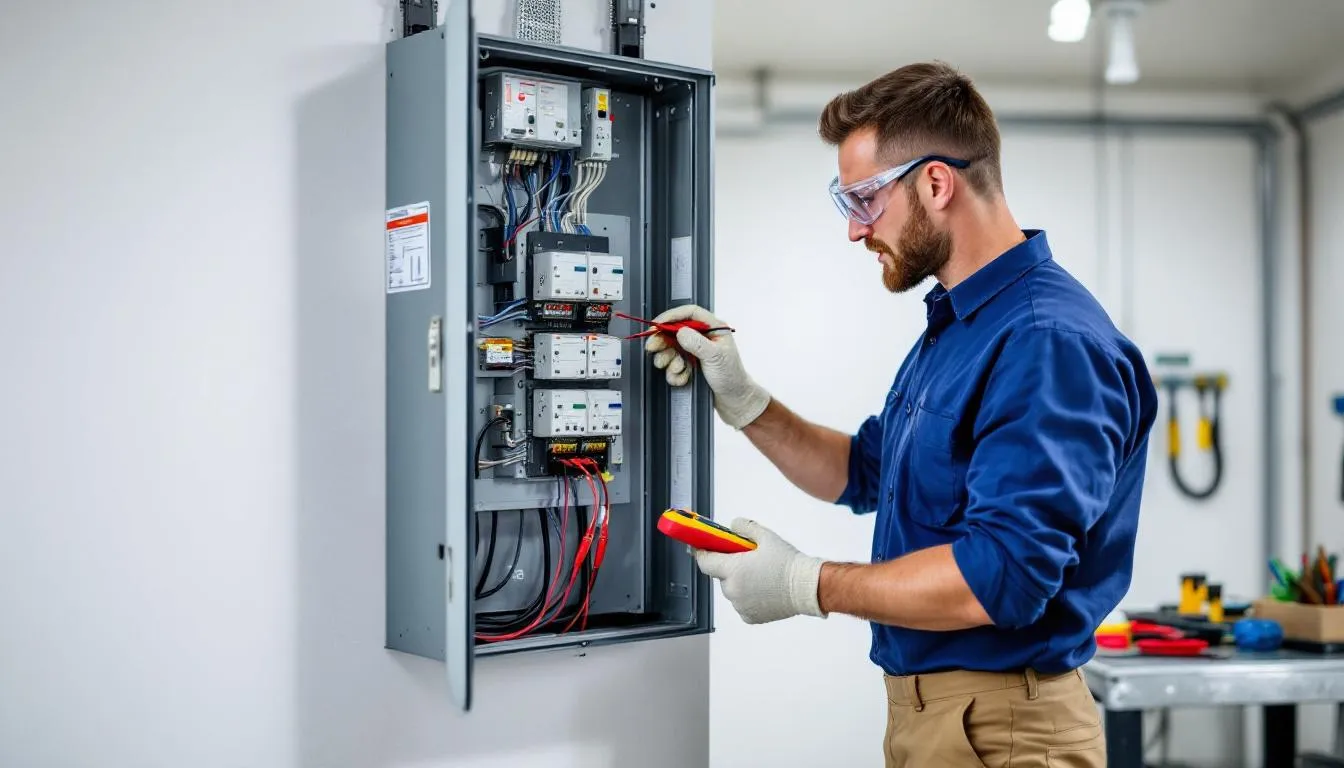
If the load calc reveals headroom is tight, a qualified Orange County electrician has numerous levers to pull. A panel upgrade from 100 to 200 amps, or a panel replacement at the very same rating with modern bus and breakers, opens space for a 60 amp circuit. Where upgrades are cost excessive or delayed by utility scheduling, a load-shedding device can safely manage demand by dropping EV charging momentarily when the home peaks. The much better systems determine whole-home present in real time, then ramp the EVSE up and down to remain within a limitation. It is not smoke and mirrors, it is a well-proven way to live conveniently within a service rating.
Site conditions we see throughout Orange County neighborhoods
Garage distance and gain access to drive a lot of cost. In Mission Viejo, lots of homes place the panel at the side lawn and the garage around the corner. A surface area run in EMT channel across stucco looks clean when prepared well, and it withstands UV and sprinklers. In older Santa Ana artisan homes, you may be working with a removed garage fed by a 60 amp subpanel, or no subpanel at all. That can indicate trenching and running PVC channel under a driveway, or utilizing a saw cut and spot if the path is concrete the whole way. Licenses need depth and marking. You want eight to twelve inches under a piece with proper backfill and alerting tape, not a shallow guess that a future landscaper can hit with a shovel.
Ceiling heights and framing also matter. Carriage home design garages in San Clemente can have exposed rafter bays that make for tidy in-ceiling conduit. Finished garages in Ladera Cattle ranch hide the route, which may need drywall cuts and fire caulking. Every strategy we draw consists of firestopping where a cable television or avenue penetrates a ranked wall or ceiling, especially typical walls in townhomes and condos.
Choosing equipment that fits the home, not just the car
There are 2 popular courses: a NEMA 14-50 receptacle with a mobile connector, or a hardwired EVSE. Both can be safe when done correctly, yet they behave in a different way. A 14-50 is versatile, and in theory it lets any guest plug in. In practice, it presents wear and heat at the plug blades, and code requires GFCI security in garages. GFCI breakers can annoyance journey with some mobile connectors, and the receptacle's spring tension breaks down with regular insertions. Hardwiring gets rid of that weak point, and numerous EVSE systems enable amperage changes through the app or internal dip switches.
Cable length is not a throwaway choice. A lot of home units use 18 to 25 foot cords. Step where the car's charge port sits. A Model 3 and a Mach-E invite the station to the back-left corner, while a Leaf pulls front-right. If you prepare to charge 2 cars in the future, confirm the system supports load sharing and a 2nd head, or a minimum of avenue space for a second run.
Outdoor rankings are another filter. Units with NEMA 3R or 4 enclosures survive coastal breeze, fog, and the periodic pipe down in Newport Beach far better than indoor-only bodies. Think of the sun course also. A battery charger that bakes on a south wall every afternoon will have a shorter life than one tucked in shade.
Permit courses and inspections, city by city
Permitting EV charger installation in Orange County is usually structured, but information vary by city. Anaheim, Irvine, and Huntington Beach typically use online submittals for standard Level 2 installs with quick evaluation, while smaller sized cities might desire a simple strategy sheet and load estimation attached. Over the last few years, normal approvals have fallen in the 2 to 10 organization day range for straightforward tasks, and a bit longer if trenching or a service upgrade goes into the picture.
Inspectors search for the basics. Conductor gauge matches breaker size, the devices is noted and identified, terminations are tight, bonding is right, and the circuit is recognized in the panel directory. If it is a receptacle set up, they will look for GFCI protection in a garage or outside area. If it is hardwired, they will verify the disconnecting methods and working clearances. A clean set up makes a quick indication off, typically in a five minute visit. Careless labeling, extra-large breaker protection, or unsupported avenue can kick you back a week. A leading ranked electrical expert Orange County house owners advise discovers the regional preferences and avoids those reruns.
The role of energies and rates
Most of the county is on Southern California Edison, with the southern edge served by SDG&E. Rate prepare for EV owners alter the mathematics of when to charge. SCE's time of usage strategies reward overnight charging, frequently with the most affordable rates after 9 or 10 p.m. SDG&E runs comparable structures with incredibly off-peak windows. A wise charger that schedules automatically pays for itself in a few months of off-peak charging, specifically if a home likewise runs a heat pump or swimming pool devices that utilizes daytime power.
For homes with solar, matching an EVSE that can follow excess solar production satisfies a great deal of owners who wish to maximize self-consumption, especially on spring weekends when the panels crank. Keep expectations grounded. Unless you oversize the variety, there will be lots of days when you require grid power to top up at Level 2 speeds. An Orange County electrical contractor who understands PV integrations can wire the EVSE on the load side of the solar meter, so keeping an eye on programs what is originating from the sun versus the utility.
Safety details that separate beginners from pros
Good charging feels boring, and that is the point. Behind that calm is a stack of small, specific choices. We identify EV circuits clearly in the panel and at the system, not with unclear code words. We torque lugs with an adjusted wrench to the manufacturer's spec. We use anti-oxidant compound on aluminum feeders when present, but prevent aluminum conductors for the EV branch in favor of copper for heat and flexibility in tight bends. We support conduit within code spacing, and we bond metal raceway properly.
Inside garages, GFCI has tripped up numerous do it yourself installs. A NEMA 14-50 in a garage needs GFCI security. On older panels, readily available spaces do not constantly accept a modern GFCI breaker without a brand-new panel or a subpanel. The workaround is not a non listed protective device, it is a correctly matched breaker or a hardwired EVSE that does not require a GFCI receptacle. You can avoid hours of head scratching with that one pivot.
Another edge case shows up with tandem and quad breakers. They appear like totally free real estate, but they can overload a bus stab beyond its score if used improperly. A licensed electrician Orange County inspectors understand by name will pick a correct two pole breaker or plan a panel replacement Orange County allowing staff will accept, instead of crowding a legacy panel that already runs hot on summer afternoons.
Costs you can plan around
Every home is different, yet patterns emerge. A brief run in a completed 2 car garage, hardwired, without any panel work, typically lands in the 900 to 1,800 dollar variety depending on battery charger selection and routing. A medium kept up a couple of bends and an outside avenue sector typically relocates to 1,800 to 3,200 dollars. Include trenching, a new subpanel, or an electrical panel upgrade Orange County utilities need to schedule, and you can see 3,500 to 7,500 dollars with energy coordination and inspection re journeys. Complete upgrades, specifically when the meter base is undersized or the service drop is marginal, can run higher and extend timelines by a couple of weeks while the utility sets a brand-new drop and the city indications off.
Material quality affects that number. EMT and rain tight compression fittings, copper THHN, and a NEMA 4 enclosure expense more than PVC and set screw fittings, however they hold up better near the coast. A finest electrical expert Orange County house owners keep speed dial is not always the least expensive, however they will protect the choices in writing and in front of an inspector.
Timeline from call to first charge
A simple job with a stocked charger can move quickly. A preliminary site visit and load calc take an hour. Allow submittal the next day, approval in a few days, and scheduling the install that exact same week prevails for a very same day electrical contractor Orange County groups with spare capability can handle. The install itself runs two to 6 hours depending on routing and drywall work. Examination generally follows within a day or two. Complex upgrades extend that arc, in some cases to 2 or 3 weeks, especially when utility relays are required for a service change.
If your gas car limps along on fumes, a short-lived Plan B helps. We established a 120 volt Level 1 charge on a dedicated outlet circuit or a short 240 volt momentary with proper security so you can add 4 to 5 miles per hour over night up until the permanent charger is live. That is where a 24 hr electrical contractor Orange County locals trust can bail you out if the old panel begins misbehaving throughout the interim.
Hiring with confidence
You can find a regional electrical expert Orange County large in a couple of clicks, but not all resumes check out the very same as https://messiahzubz000.lucialpiazzale.com/home-management-electrical-providers-in-orange-county soon as a job begins. Request for images of at least three recent EVSE sets up in homes similar to yours. Ask for the permit numbers if the tasks remained in your city. A qualified residential electrician Orange County inspectors know will share that quickly. If you reside in an apartment or HOA, ask specifically about multifamily experience, load management, and HOA approvals. Complexes in places like Irvine and Laguna Niguel frequently require stamped illustrations for shared parking lot or longer conduit operates on typical property.
The quote should show more than a swelling sum. Search for wire gauge, breaker size, conduit type, and charger model. If a panel is near capacity, a dependable electrical contractor will describe whether a load management gadget, subpanel, or complete upgrade is being proposed, and what each path costs. If you hear unclear guarantees without math, keep looking for a top ranked electrician Orange County next-door neighbors have really used.
Here is a short, practical checklist for house owners before the first website visit:
- Take clear photos of your main electrical panel with the door open and the breaker legend visible.
- Measure the straight line distance from the panel to the proposed charger place, and keep in mind any obstacles.
- Confirm the make and design of your EV, and whether a second EV is likely in the next 2 years.
- Share any recognized electrical issues, like regular breaker trips or warm breaker deals with on hot days.
- Ask your energy which time of use rate strategies fit EV charging, and pass that along to your installer.
Stories from the field
A household in Tustin wanted a 48 amp battery charger for a new SUV. Their panel was a 125 amp system with a gas clothes dryer and no pool, however two HVAC condensers packed it up throughout summertime. The load calc offered us around 30 amps of headroom on a normal summertime night. Rather than press our luck, we installed a hardwired 48 amp system, set it to 40 amps in software application, and paired it with a load management device that throttles the charger only when the 2nd condenser kicks on. The house owners charge at full speed 95 percent of the year. On the most popular evenings, the charger dials back for an hour, then resumes immediately. No journeys, no calls, and the inspector liked the paperwork taped inside the panel door.
In San Juan Capistrano, a cattle ranch style home had the panel at the far end from the garage and a stamped driveway in between. Trenching would have left scars. After a walk, we found an attic path with a clean drop into the garage. We ran THHN in emergency medical technician up the outside wall, transitioned to MC cable in the attic, and dropped to a NEMA 4 EVSE in the garage. We sealed and painted the outside conduit to match stucco. The entire set up appeared like it had actually been there because your house was built, and it cost half of what the driveway cut and patch would have.
A condominium in Irvine required HOA approval for a battery charger in a shared garage. The subpanel serving the bay had restricted capability. We proposed a 40 amp EVSE shared by means of a smart controller between two designated areas. The HOA liked the plan since it avoided a service upgrade and kept the fire lane clear of cables. The city inspector wanted evidence of noting for the controller and clear labeling at both parking spots. These are little items for a commercial electrician Orange County home supervisors already utilize, however they are foreign to a handyman. The task passed in one visit and set a template for the rest of the complex.
Multifamily and business projects
While most chargers land in private garages, homes and work environments across Orange County are capturing up. Here the concerns shift. Conduit paths run further, networked stations handle access, and load management becomes the only method to avoid an enormous service upgrade. Need charges can overload operating costs if the system is not tuned. A skilled Orange County electrical contractor maps panelboards, steps require with information loggers, and develops circuits that deliver real charging hours without tripping the main switchgear.
On commercial installs, ADA availability and signage come into play. Clear flooring area, cable reach, and mounting height need to meet the code every time. For office parks in Irvine and retail in Costa Mesa, utility coordination likewise matters. Some websites get approved for make all set assistance from the energy that offsets trenching and conduit. Even when rewards ups and downs, planning the facilities in phases avoids ripping up the very same asphalt twice.
Aftercare, upkeep, and support
Charger hardware is resilient, however not immortal. Salt air, sun, and dust discover their way into whatever. We suggest a quick clean down and visual inspection monthly, a check of cable stress relief and adapter deal with every quarter, and a thermal scan of terminations each year as part of a wider electrical evaluation Orange County house owners ought to consider for aging panels. Software updates keep features existing, and firmware that supports brand-new automobiles can be the distinction between a smooth handshake and a picky session.
When problems come up, you desire assistance without delays. An electrician near me Orange County search will turn up plenty of names, but the best relationships form with groups that answer the phone. A same day electrician Orange County chauffeurs can reach at 7 a.m. On a workday to reset a tripped GFCI, or an emergency electrician Orange County apartment boards call when a garage feeder decreases, earns that trust over years, not weeks.
Related electrical work that typically rides along
Charger tasks appear other dream list items. If you open drywall to run new channel, it becomes simple to add outlet setup Orange County property owners have postponed for a freezer or workshop bench. Many families take the chance to upgrade garage lighting. Recessed lighting Orange County homes use in living areas can work in garages too, though confined LED vapor tights deal with dust and damp better. Ceiling fan installation Orange County outdoor patios benefit from, together with outside lighting Orange County yards rise up with, round out neat weekend nights.
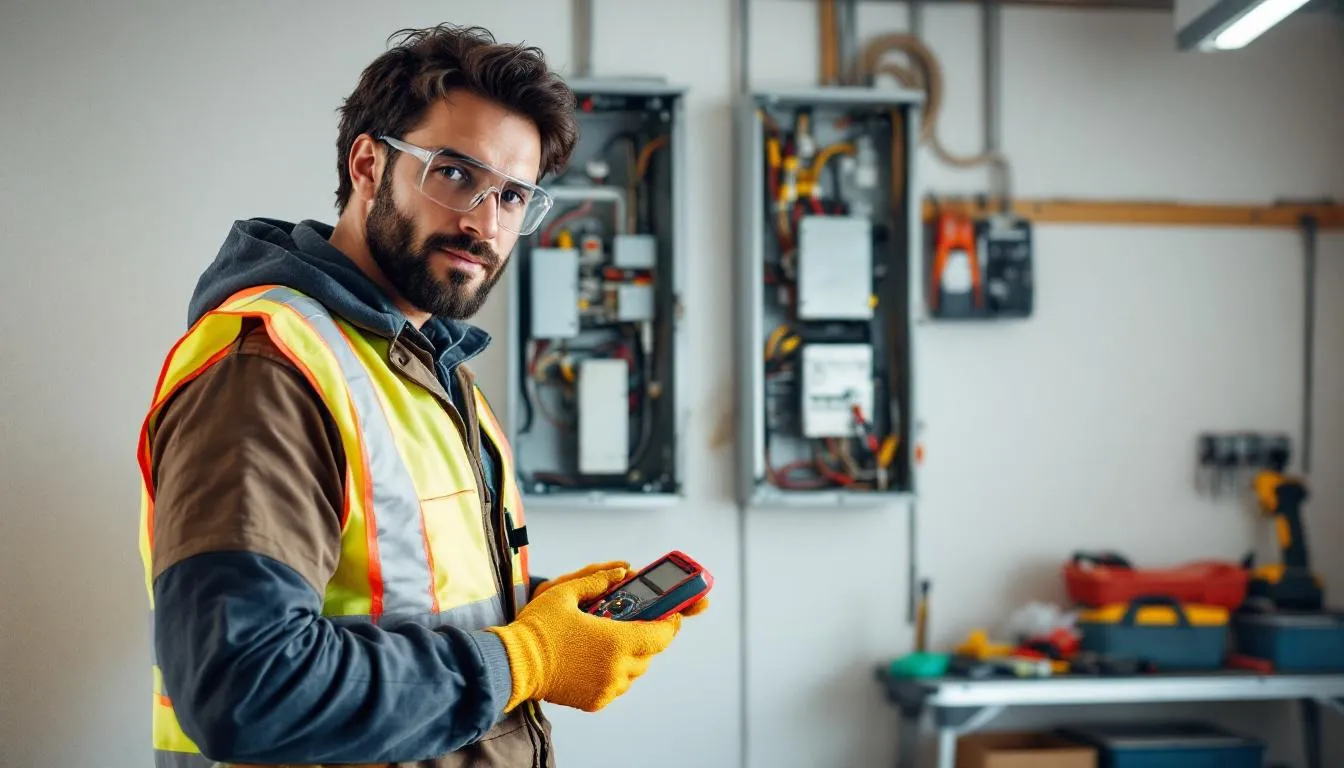
On older homes, whole home rewiring Orange County buyers acquire is not a one day job, but sometimes a battery charger task ends up being the push to resolve fabric insulated or breakable NM cable television. At the least, a panel replacement Orange County inspectors smile at can be timed with the EVSE so you just block the driveway as soon as. Smart home circuitry Orange County tech enthusiasts love can piggyback too, with low voltage electrical wiring Orange County remodels frequently need for cams and access points. When done together, the rates is better and the schedule shorter than spreading these jobs across the year.
For backup power, generator setup Orange County properties consider ought to not share circuits with an EVSE without preparation. The generator likely can not manage a 40 or 48 amp continuous battery charger on top of other loads. A transfer switch with load shedding or a subpanel separating crucial circuits keeps the home comfy during blackouts without overloading the generator or the neutral.
Troubleshooting and when to call a pro
Most charging hiccups trace back to a few sources. Loose terminations produce heat and periodic faults. Large breakers mask issues up until a port tarnishes. Wi Fi dropouts make wise functions flaky. A trained eye spots these rapidly. Electrical troubleshooting Orange County professionals do every day frequently resolves a no charge condition in one visit by tightening a lug to specification, transferring a Wi Fi access point, or swapping a jeopardized receptacle for a hardwired whip.
When something more serious appears, like a warm main breaker face or browning on bus stabs, stop and get help. Those are not problems, they are alerting indications that the system is running beyond its safe envelope. A budget-friendly electrical expert Orange County residents trust will walk you through options that repair the root cause, not just the sign, and discuss why one course costs less up front but more later.
Red flags when hiring for EV charger installation
- A quote that skips a load estimation or refuses to reveal it.
- "We can make any breaker fit your panel," particularly with tandems.
- No license. Inspectors anticipate to see EVSE work, and insurer do too.
- Vague materials list. You are worthy of wire size, breaker score, and channel key in writing.
- Push to set up a 14-50 without talking about GFCI, plug wear, or hardwired alternatives.
The worth of regional experience
Every city in the county shares codes, yet each has its rhythm. Inspectors in Huntington Beach will glance at rust defense a little bit longer. Laguna Beach looks additional hard at outside avenue on view corridors. Anaheim has a reputation for moving rapidly on basic EVSE allows if the paperwork is complete. Knowing these patterns trims days off a task and avoids return trips. A top ranked electrician Orange County families advise is rarely the loudest advertiser. They are the one your neighbor used who can point to a neat conduit run and a tidy panel.
If you are weighing EV ownership and desire a charging plan that simply works, begin a discussion with a regional team that deals with the charger as part of your home's electrical ecosystem. Ask for specifics, anticipate straight responses, and do not be shy about trade offs. A thoughtful style, a tidy install, and a clear permit trail are the quiet foundation under years of reliable charging. That is the trademark of a skilled Orange County electrician, and the distinction you feel every night when you plug in, end up the lights, and trust the system to take it from there.